

Singapore
Guest Spotlight Report by Harry Tan
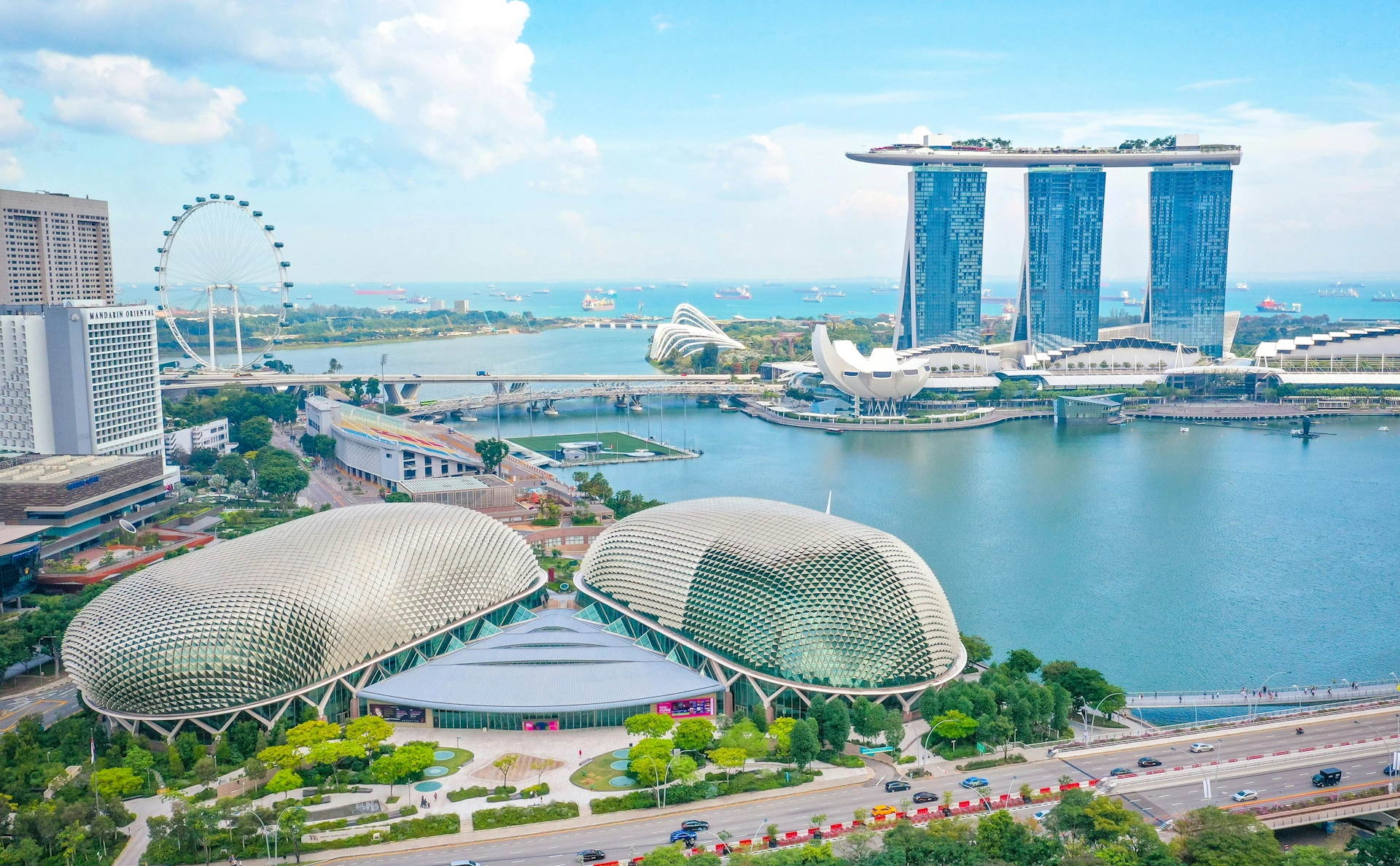
Singapore's prosperity was not built incrementally over centuries like most other developed countries. Whilst it inherited a British common law legal tradition, this was heavily and uniquely adapted following independence in 1965 to place Singapore on a distinctive trajectory towards prosperity. The young nation was circumstantially forced to engineer stability, legitimacy, and growth at rapid pace.
Its unique history continues to shape its policy choices and complicates how it presents itself across the Index's pillars of Development, Freedom, and Society. What is undeniable is its overall stunning performance. It has grown from a colonial trading outpost facing high unemployment, racial strife, and aggressive neighbours, to ranking 3rd in Development, 23rd in Society, and 35th in Freedom, in only a matter of decades.
It notably excels in metrics towards which its policies were intentionally calibrated, ranking 2nd in Standard of Living, 2nd in Health, 6th in Integrity of the State and Integrity of Communities, and 2nd in Economic Freedom.
Development: High standards of living, health, and education
Under Standard of Living, Singapore's PPP-adjusted GDP per capita is among the highest internationally. This translates to strong purchasing power despite relatively high living costs due to a combination of economic openness, disciplined fiscal policy, and a meritocratic socioeconomic structure.
Singapore ranks 2nd globally in Health, with a world-class healthcare system that balances access, quality, and fiscal sustainability. Singapore has one of the highest life expectancies, undergirded by its mandatory personal health savings system (MediSave), and a strong focus on preventative care and whole-of-life management. Singapore has through these, delivered excellent health outcomes while spending less than peers like America, the UK, and Switzerland.
While consistently ranking highly in PISAs (Programme for International Student Assessment, an OECD educational assessment metric for 15-year-olds near the end of compulsory education to gauge reading, mathematics, and science skills), the Index's emphasis on mean years of schooling and historical literacy places Singapore 38th in Education. This reflects Singapore's compressed development timeline, where older cohorts educated before modern systems impact Index performance. Furthermore, Singapore's pragmatic approach towards vocational pathways also impacts total years of schooling, where students from Institutes of Technical Education enter the workforce before university graduates. Nonetheless, Singapore performs excellently even when accounting for this.
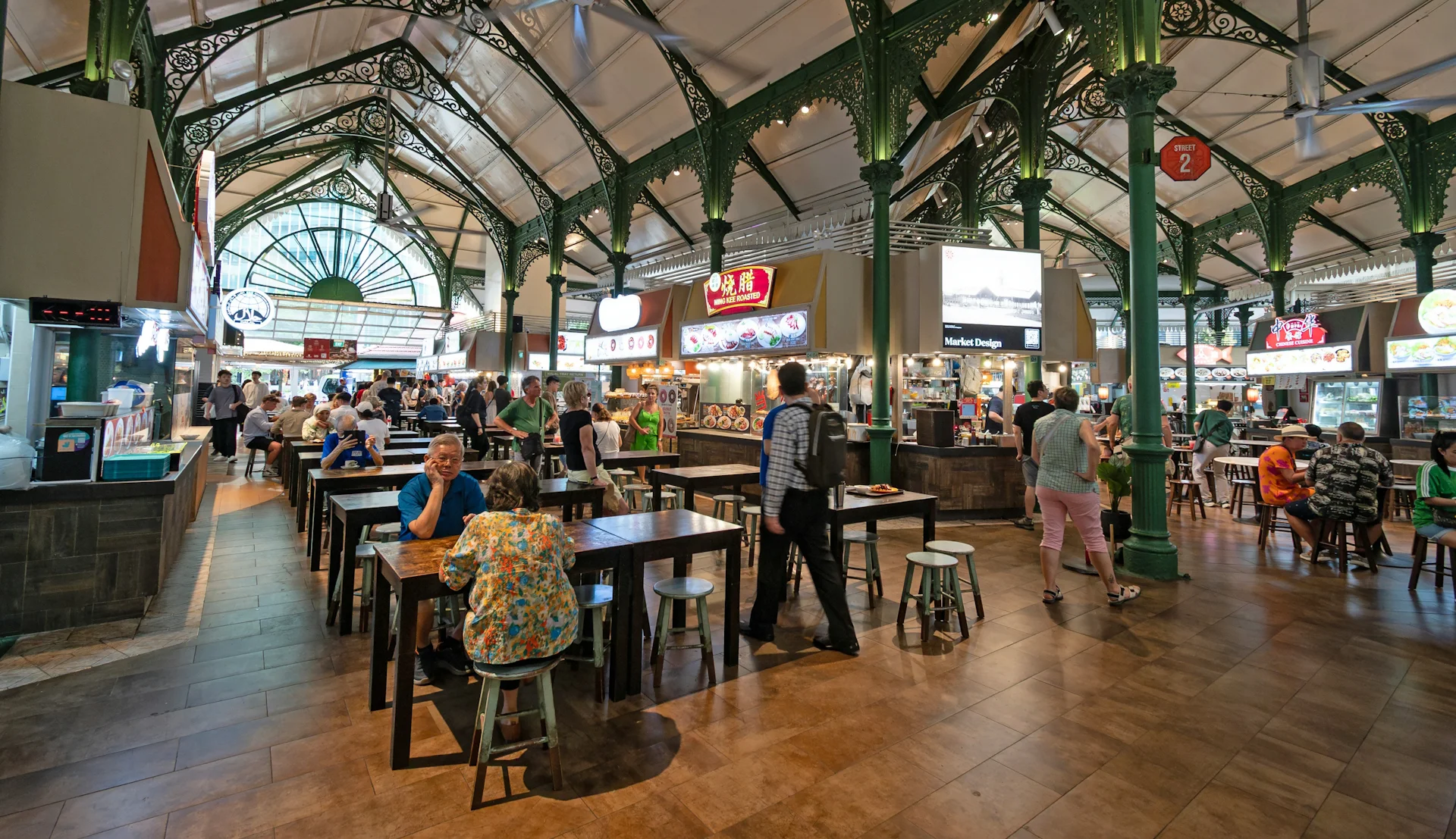
Singapore's everyday infrastructure also extends beyond what most developed nations build. Hawker centres illustrate how infrastructure reinforces standard of living in everyday life. These are large complexes in every housing estate housing dozens of independent food stalls operating with subsidised rents. They are central to national food affordability, providing quick, freshly prepared, affordable meals (often under US$5) for retirees, students, and working families. Furthermore, by incorporating communal seating, they weave daily cross-income and cross-ethnic interaction, and it is common to see retirees eating chicken rice next to an office worker. This strengthens purchasing power while reinforcing civic cohesion.
Singapore's community infrastructure starts with the People's Association, a statutory board, operating community centres islandwide. Within each centre, volunteer Residents' Committees organise activities ranging from festival celebrations to blood donation drives. These centres offer subsidised programmes ranging from skills upgrading courses to classes and job matching services which connect retirees to part-time roles. This keeps elderly Singaporeans socially connected and economically active well past traditional retirement age, directly supporting residents' health by enhancing longevity through reduced isolation, while extending one's productive working years.
Singapore also achieves this with remarkable fiscal discipline, running consistently balanced budgets with a significantly lower tax burden than most countries topping the Index, with overall taxation hovering between 11 to 15% of GDP on average.
Society: strong integrity of the state and high levels of social cohesion
Singapore performs strongly across many of the components of the Society domain as well. On the Integrity of State pillar, Singapore ranks 6th globally, with one of the least corrupt and most administratively effective governments. Its public officials are among the best paid in the world. The solidity of the state's control is also evidenced by the country's low crime rates and ability to marshal resources during major crises with strong popular compliance and trust, such as during COVID-19 and the 2003 SARS epidemic.
Singapore performs strongly in the Integrity of Communities pillar of the Index, ranking 6th globally. This is buttressed firmly by its Housing & Development Board (HDB) public housing estates, where 80% of the population reside. These are not merely social housing. Instead, residents own their flat rather than renting. By integrating schools, clinics, shops, and parks within walking distance, often linked by covered walkways to a robust and affordable public transport network, Singapore transforms public housing into a comprehensive infrastructural model that reduces spatial isolation and ensures that lower-income residents access the same quality of services as those living near the city centre, without the transport poverty plaguing many major cities.
Singapore has also managed its multiracial and multireligious society, by fostering social cohesion through the Ethnic Integration Policy, an ethnic quota policy ensuring that HDB neighbourhood demographics mirror national demographics. Preventing residential segregation and ethnic enclaves is central to sustaining long-term cohesion in a diverse society, by ensuring that daily life requires mutual tolerance, trust, and understanding across ethnic backgrounds. This normalises everyday interaction across backgrounds, and ensures that housing operates as a structural mechanism of community integration, rather than simply a roof over one's head.
Singapore's active ageing policies further strengthen community ties through physical infrastructure. Every HDB estate includes outdoor exercise equipment designed for elderly residents, senior activity centres offering subsidised meals and activities, and financial incentives for elderly households to downsize to smaller flats within the same neighbourhood, allowing them to unlock housing equity while remaining active near family and familiar communities.
Within the Society domain, the most significant structural challenge lies in the Integrity of Families domain. Singapore's total fertility rate remains well below replacement level, reflecting demographic patterns common to many advanced urban societies, especially in East Asia. Low fertility shapes long-term population sustainability by reflecting rising fiscal pressures, altered dependency ratios, and a more atomised family structure.
While Singapore has rolled out initiatives to support family formation, caregiving and work-life balance, these have yet to reverse the broader decline in fertility rates since the 1970s. This demographic challenge remains central to Singapore's long-term prosperity profile and is something that needs to be tackled to ensure continued prosperity in the future.
Finally, ownership secures Singapore's social cohesion, where its Central Provident Fund (CPF) embeds a mandatory savings culture. CPF contributions replace traditional payroll taxes because they flow into personal accounts, subdivided for retirement, healthcare (MediSave), and housing. CPF savings pay for HDB flats, healthcare, education, and retirement. By retirement, most Singaporeans would have six-figure CPF balances and an owner-occupied home. In Singapore, homeownership exceeds 90%, not through mortgages from banks, but through the population's own compulsory savings.
Beyond this, Singapore's sovereign wealth funds steward national reserves for future generations. These deliberately cultivate an ownership-centric society from cradle to grave. Citizens are stakeholders in nation-building, fostering a mindset prioritising stability, responsibility, and intergenerational stewardship.
Within the Society domain, particularly under Integrity of Communities, this ownership-centric system shapes the populace's future-orientation with a tangible, observable promise in a better future. Public confidence is both rewarded and strengthened when Singaporean households accumulate CPF savings, buy their flats in HDB estates, and observe how prudent reserve management enables lower taxation.
Hence, while survey-based measures may capture elements of trust or optimism, the structural foundations that generate this confidence in Singapore operate through a unique policy architecture and shared economic participation that few countries replicate on a national scale.
Freedom: open economy, prosperous society
Singapore ranks 2nd in Economic Freedom. It would be easy to see Singapore's success as predominantly statist, given its successful government programs and political history. But its prosperity is supported by a regime based on open trade, sound money, robust contractual enforcement through specialised courts and arbitration centres, alongside exceptional regulatory efficiency. Singapore maintains virtually zero tariffs on all foreign trade, with the exception of alcohol, tobacco, and motor vehicles, which reflect social policy rather than protectionism. Singapore also does not impose any capital controls, even during the 1997 Asian Financial Crisis, and this has ensured that business profits and supply chains are not restricted by currency decisions and barriers.
It also maintains low taxation, with a corporate tax rate of 17% with generous exemptions and deductions. Singapore has also adopted a flexible regulatory stance towards local employment and business registration, with next to no capital requirements, digitalised compliance mechanisms, and a broader approach of maintaining high standards without complex enforcement and byzantine regulatory minutiae. Setting up a business takes minutes via the Accounting and Corporate Regulatory Authority (ACRA), while filing taxes with the Inland Revenue Authority of Singapore (IRAS) can be done in mere minutes online.
Such economic freedom enables Singapore to draw multinational business investment without compromising on the standards to which those businesses adhere. It is a symbiotic relationship that ensues where businesses benefit from clarity and efficiency while playing their part to support national development to a high standard.
While Singapore performs strongly on Economic Freedom and decently well on Civil Peace, especially in measure of safety, rule of law, and personal security, it lags noticeably in the Freedom of Dissent pillar, where it ranks 100th. In this area, the country faces some historically influenced constraints.
Singapore's social restrictions operate within defined boundaries shaped by an enduring emphasis on stability and communal harmony. The country's speech laws, public assembly regulations, and media frameworks (Newspaper and Printing Presses Act) reflect this deliberate trade-off arising from its historical context, with necessary contestation traded for social stability and harmony. Its Maintenance of Religious Harmony Act and Public Order Act are key legislative provisions which restrict the time and place of assemblies and limit speech that may incite religious hatred.
These reflect the racial strife Singapore saw in its formative years post-independence, which left a deep imprint on governance philosophy. Safeguarding cohesion within a compact and diverse population became a core priority of the government, resulting in today's calibrated approach to political mobilisation and public discourse that diverges from traditional notions of liberty.
Challenges ahead: preserving dynamism and strengthening freedom
Singapore's Development has been anchored in its institutional quality and economic freedom. However, it faces dual pressures from growing domestic calls for redistribution to address inequality and housing affordability, and global regulatory harmonisation requirements (particularly in corporate taxation) that may constrain its traditional competitive advantages. This pressure is evidenced by a modest increase in taxation over the past decade with new income tax brackets, alongside growing regulatory encroachment through the Carbon Pricing Act and the Monetary Authority of Singapore and Singapore Exchange's new climate reporting requirements.
The challenge Singapore faces therefore lies in responding to legitimate social demands without eroding the economic dynamism that created its prosperity. Singapore has historically balanced competitiveness with strategic social investment, but maintaining this equilibrium will require increasingly sophisticated policy calibration as both domestic expectations and international norms evolve, where old tools no longer work as well as they used to.
Singapore's Freedom of Dissent ranking reflects long-standing restrictions justified by social stability concerns. However, two forces now strain this equilibrium, with Internet-age information flows eroding the effectiveness of traditional content controls, and the temptation for greater restrictions in the face of rising geopolitical tensions and concerns about foreign interference.
These circumstances come when Singapore's ambitions as a global hub require greater openness to attract talent and capital, and where evermore invasive measures would be a deterrent with diminishing returns. The trap that exists is therefore that of a vicious cycle, where external threats prompt tighter controls on speech and expression that then undermine its attractiveness and global soft power.
Singapore must enhance its resilience against genuine threats without reflexively tightening restrictions that would further distance it from global norms, all while maintaining the social cohesion and multiracial harmony that has allowed it to stand heads above neighbouring nations in the region.
Conclusion
Singapore's overall ranking demonstrates a unique combination of high Development outcomes with sustained social cohesion within the context of an ethnically and religiously diverse society, all of which was achieved within a single generation. This architecture of achievement rests on an interlocking foundation valuing ownership, personal responsibility, and an effective government that prioritises outcomes over image.
Singapore's prosperity is thus a distinctive model in its origins, execution, and adaptability, one which emerged from coherent institutional design aligned with historical context, where vulnerability was repurposed as a durable foundation for successful nation-building through deliberate statecraft and long-term responsibility.

